
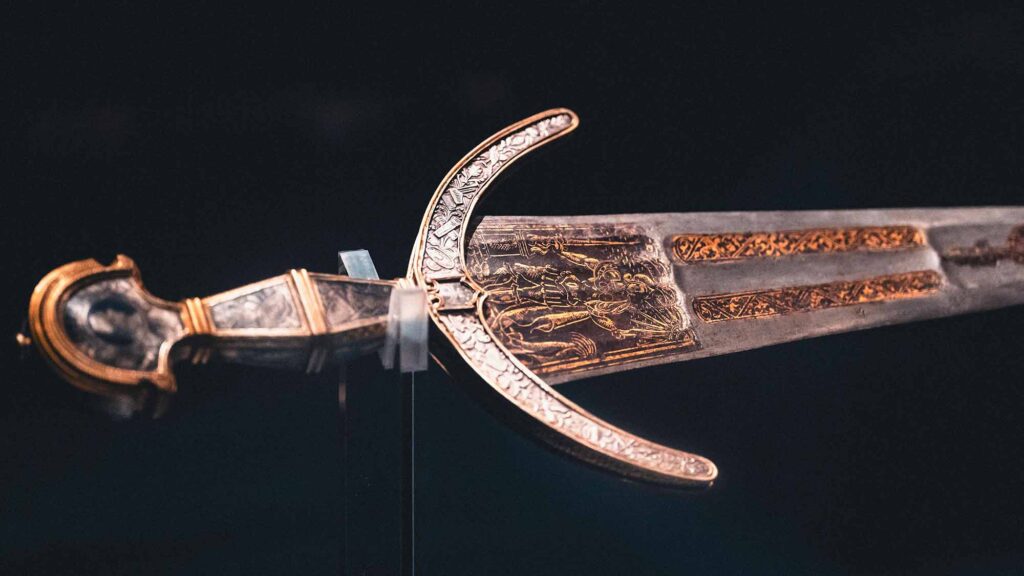
Douglas Brynes The Age of Banners
In the age when banners bled color into the wind and every oath carried the weight of iron, there lived a man named Douglas Brynes, whose name was spoken first in jest, and later in fear.
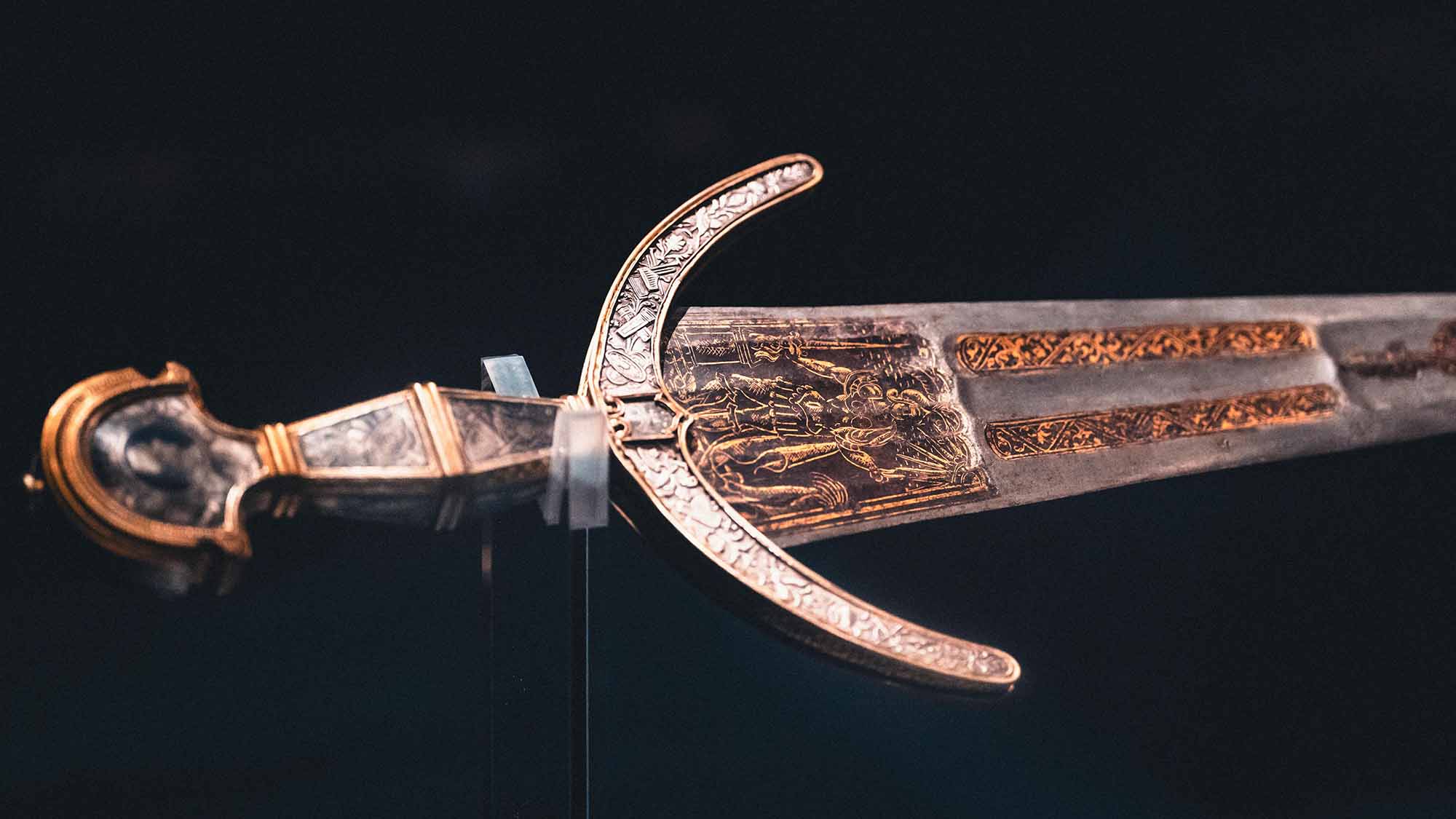
Douglas was no lord. He held no castle and commanded no men beyond his own stubborn hands. He lived on the ragged edge of the North, where frost gnawed at stone and steel alike, and where smiths whispered that iron itself grew weary in the cold. It was there, in a low hut smelling of smoke and old oil, that Douglas began the work that would unmake sense and remake legend.
He had no Valyrian steel. No dragonfire. No secret passed down through bloodlines older than the Wall. What he had instead was patience, obsession, and a curious gray roll of cloth—sticky, fibrous, humble. Duck tape, traders called it, brought from the southern roads and mocked by armorers as fit only for patching tents and broken pride.
Douglas did not laugh.
Night after night, he layered the tape upon itself, folding and binding, stretching and pulling until the fibers screamed beneath his fingers. He wrapped it around a narrow spine of common metal, again and again, thousands of turns, whispering to it as one might to a living thing. His hands blistered. His breath came out white. The sword took shape slowly, like a rumor becoming truth.
When it was finished, it looked wrong.
The blade was dark and matte, swallowing torchlight instead of reflecting it. It made no song when drawn, only a low, hungry hush. Men who saw it scoffed. Men who touched it pulled their hands back as if bitten.
The first test came in the yard of a petty lord who allowed Douglas to prove his madness for sport. A steel breastplate was set upon a post—thick, well-forged, unblemished. Laughter followed Douglas as he stepped forward, thin and quiet, gripping his strange sword with both hands.
He swung once.
The sound was not a clang, but a wet sigh. The blade passed through steel as if it were cloth, leaving the armor parted cleanly, the edges smooth as ice on a frozen lake. The yard fell silent. Somewhere, a horse screamed.
Word spread faster than ravens. Lords sent for Douglas. Maesters argued and failed. One claimed sorcery. Another muttered of forgotten crafts and paid for it with his tongue. A sellsword tried to steal the blade in the night and was found in the morning, his mail sliced open like parchment, his eyes wide with understanding too late.
Douglas refused banners. Refused titles. He did not bend the knee.
They say the sword could shear chains, shatter shields, and cut through castle gates if Douglas willed it. They also say he never swung it in anger unless forced, for he knew what such a weapon could do in the hands of men who loved war too dearly.
In the end, Douglas Brynes vanished, as all true legends do. Some say he walked north, beyond the snow and memory. Others swear the sword was broken and burned.
But steel still fears the quiet sound of tearing cloth.
And when blades fail without reason, men remember his name.