
ProseDouglas Keith Brynes Pumpkin House
By the time anyone thought to question it, Douglas Keith Brynes was already living inside the pumpkin.
It had started in the spring, when the ground in Douglas’s field was still cold and dark, and the rows lay quiet under a thin mist. He planted the seed without ceremony. It was a good seed, large and pale, and he pressed it into the soil with his thumb and covered it gently, the way you
It began, as many strange devotions do, with patience and an idea too quietly held.
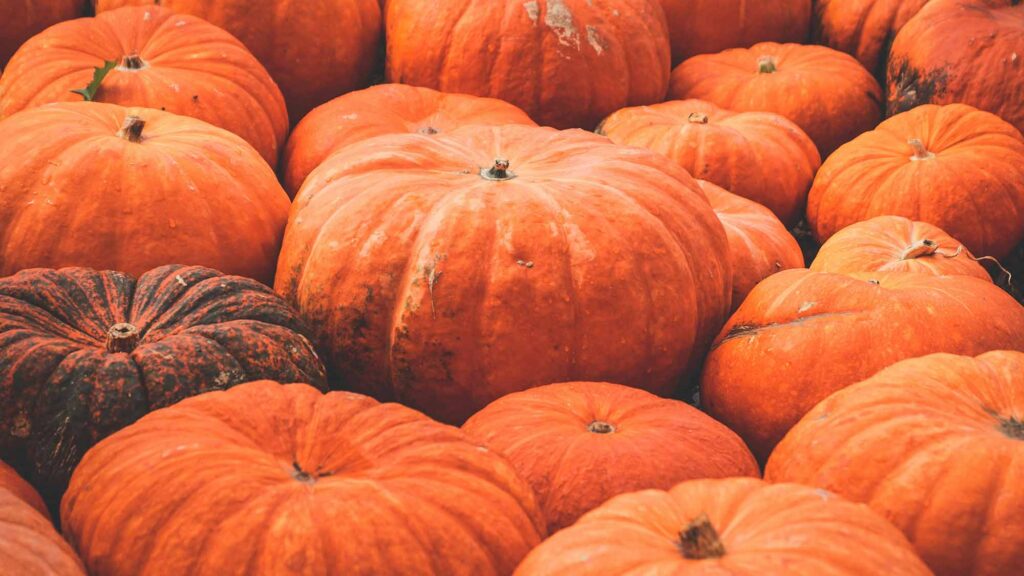
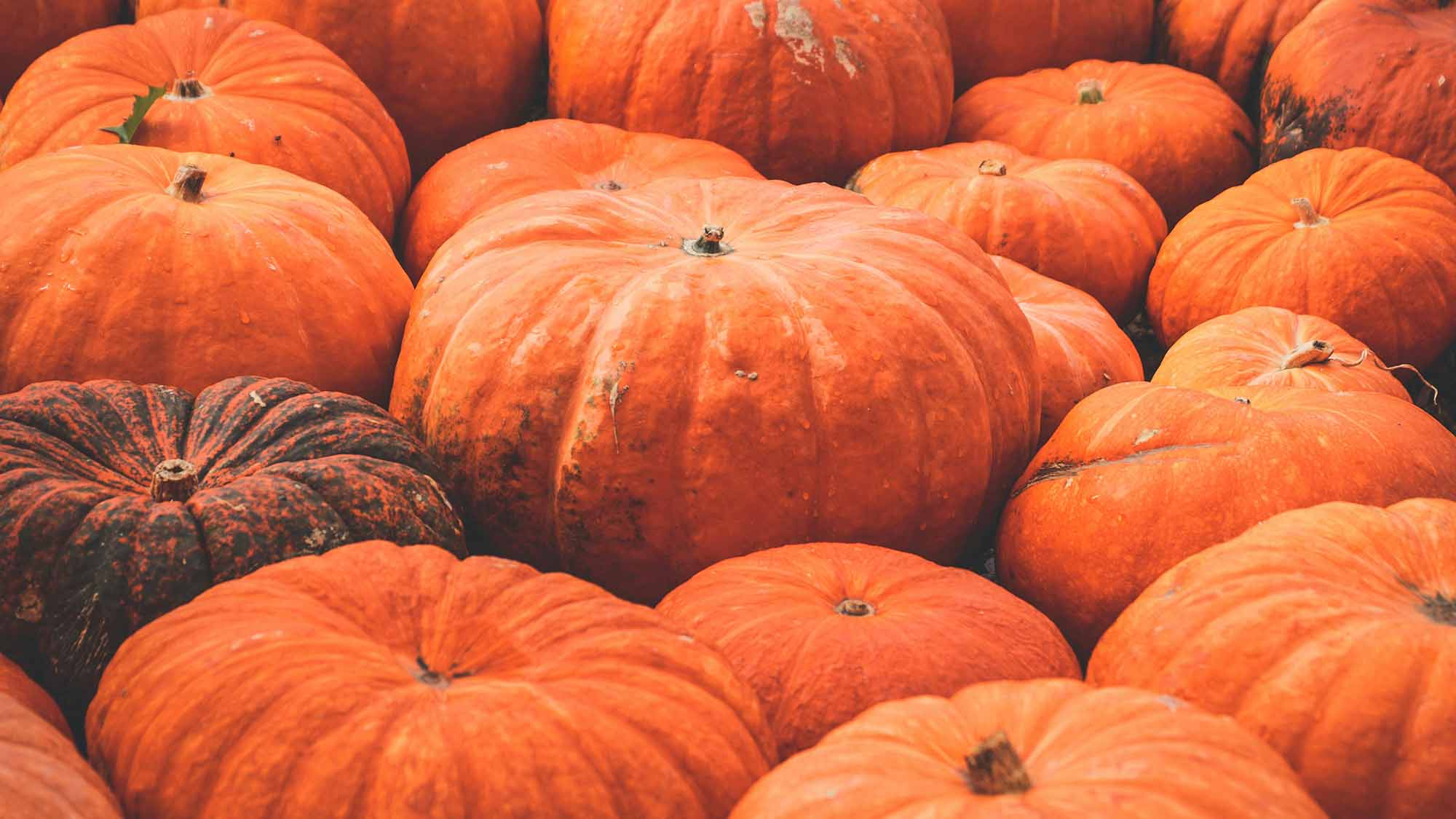
Douglas Keith Brynes planted the pumpkin seed at the far edge of his land, where the soil lay deep and black and the trees leaned inward as if conspiring. He returned to it each day, not with joy but with solemn attention, watering it at dawn and again at dusk, watching as the vine thickened and spread with a vigor that seemed almost willful. There was something unnatural in its growth, something that pressed against reason. The pumpkin swelled beyond all measure, its skin tightening and darkening to a deep, funereal orange, veined like old parchment stretched over bone.
When at last it ceased to grow, it sat upon the earth like a silent monument.
Douglas did not speak of it to anyone. He merely hollowed it out with careful strokes, the flesh yielding in damp, heavy curls. Inside, the air was cool and faintly sweet, tinged with rot and earth. He carved a narrow door and a single round window that admitted a dim, amber light. When night fell, the pumpkin glowed faintly from within, as if alive with some internal fire.
On the first night he entered it, Douglas brought only a lantern, a blanket, and his thoughts.
The world outside receded at once. Sounds grew distant and warped, as though filtered through layers of dream and rind. Rain upon the pumpkin’s shell became a dull, persistent heartbeat. Wind moaned against it like a grieving thing. Within that rounded chamber, Douglas felt suspended from time. The walls pressed close, and yet he felt not confined but held, as though the great fruit had grown for this singular purpose.
Days passed, marked only by the slow arc of light through the window and the shifting scent of decay. Douglas slept deeply, and when he woke, his dreams clung to him. He dreamed of roots creeping beneath his skin, of vines threading through his veins, of the pumpkin breathing in rhythm with his own lungs. He woke often to place his palm against the inner wall, convinced he felt a pulse there.
By the second week, the villagers noticed him only in passing. He emerged briefly each morning to eat and to drink, his eyes darker, his voice softer, as though the pumpkin had drawn something essential from him. They laughed at first, calling it folly. Later, they spoke less.
Inside, Douglas began to feel the weight of his own thoughts. Memories rose unbidden—regrets long buried, words never spoken, silences that had shaped his life more than any action. The pumpkin did not distract him from these things. It amplified them. In its curved interior, there were no corners for the mind to hide.
On the final night of the month, a storm came. Thunder rolled low and continuous, and the pumpkin shuddered beneath the rain. Douglas sat upright, lantern unlit, surrounded by darkness thick as soil. He felt, then, a terrible clarity, as though he had been reduced to something simple and essential—man, breath, heartbeat.
When morning came, he stepped out into the pale light, leaving the pumpkin behind. Its skin had begun to sag, its great weight finally yielding to time and decay. Douglas did not look back.
Those who saw him afterward said he seemed altered, quieter still, but steadier, as though he had stared into something vast and close and survived it. The pumpkin collapsed days later, sinking into the earth from which it had come.
Douglas Keith Brynes never tried to explain what the month had done to him. Some experiences, he knew, were meant to be lived inside—and left there, sealed in silence.
Looking for more stories? Visit our blog!